.jpg)
Balancing Nutrition: Choosing the Right Pet Food

Choosing the right pet food can feel overwhelming for many pet owners. With so many options available, how do you ensure that your furry friend is getting the nutrition they need? This guide will help you navigate the world of pet food, focusing on the importance of balanced nutrition and how to select the best food for your pet's specific needs.

Understanding Pet Nutrition
The Basics of Pet Nutrition
Just like humans, pets require a balanced diet to thrive. This includes a mix of proteins, carbohydrates, fats, vitamins, and minerals. Each nutrient plays a vital role in your pet's health:
Proteins: Essential for growth, repair, and overall health.
Carbohydrates: Provide energy and support digestive health.
Fats: Important for energy, skin health, and nutrient absorption.
Vitamins and Minerals: Support various bodily functions and overall well-being.
Life Stages and Nutritional Needs
Pets have different nutritional needs based on their life stages. Puppies and kittens require more calories and nutrients for growth, while adult pets need a balanced diet to maintain their health. Senior pets may require special diets to address age-related health issues.
Puppies and Kittens: High protein and calorie content to support rapid growth.
Adult Pets: Balanced diet to maintain weight and health.
Senior Pets: Lower calories and special nutrients to support joint health and digestion.
Types of Pet Food
Dry Food (Kibble)
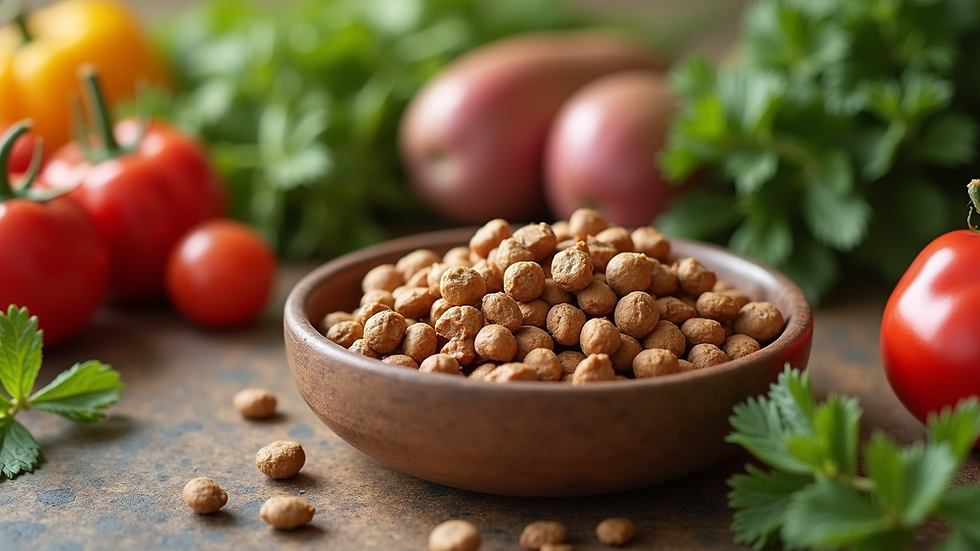
Dry food is one of the most popular options for pet owners. It is convenient, has a long shelf life, and can help maintain dental health. However, not all dry foods are created equal. Look for high-quality brands that list meat as the first ingredient and avoid fillers like corn and soy.
Wet Food (Canned)
Wet food can be more palatable for pets and is often higher in moisture content, which is beneficial for hydration. It can be a good option for pets that are picky eaters or have dental issues. However, it can be more expensive and has a shorter shelf life once opened.
Raw Diets
Some pet owners opt for raw diets, believing they mimic a pet's natural diet. While raw diets can provide benefits, they also come with risks, such as bacterial contamination. If considering a raw diet, consult with a veterinarian to ensure it meets your pet's nutritional needs.
Homemade Diets
Preparing homemade meals for pets can be rewarding, but it requires careful planning to ensure balanced nutrition. Consult with a veterinary nutritionist to create a diet that meets all of your pet's needs.
Reading Pet Food Labels
Understanding pet food labels is crucial in making informed choices. Here are some key components to look for:
Ingredient List
The ingredient list is typically organized by weight. Look for high-quality protein sources at the top, such as chicken, beef, or fish. Avoid foods with vague terms like "meat by-products."
Guaranteed Analysis
This section provides information on the nutrient content of the food, including protein, fat, fiber, and moisture levels. Ensure that the food meets the specific needs of your pet's life stage.
AAFCO Statement
The Association of American Feed Control Officials (AAFCO) sets standards for pet food. Look for a statement indicating that the food meets AAFCO's nutritional standards for your pet's life stage.
Special Dietary Needs
Allergies and Sensitivities
Some pets may have food allergies or sensitivities. Common allergens include grains, chicken, and beef. If you suspect your pet has a food allergy, consult with your veterinarian for guidance on elimination diets and hypoallergenic options.
Weight Management
Obesity is a growing concern for pets. If your pet is overweight, consider a weight management formula that is lower in calories but still provides essential nutrients. Regular exercise and portion control are also critical in managing weight.
Health Conditions
Pets with specific health conditions, such as diabetes or kidney disease, may require specialized diets. Always consult with your veterinarian before making any changes to your pet's diet.
Making the Transition
When switching your pet's food, it's essential to do so gradually. Sudden changes can lead to digestive upset. Follow these steps for a smooth transition:
Start with a Mix: Begin by mixing a small amount of the new food with the old food.
Gradually Increase: Over the course of 7-10 days, gradually increase the proportion of the new food while decreasing the old food.
Monitor Your Pet: Keep an eye on your pet's reaction to the new food. Look for signs of digestive upset or changes in behavior.
Conclusion
Choosing the right pet food is crucial for your pet's health and well-being. By understanding their nutritional needs, reading labels carefully, and considering any special dietary requirements, you can make informed decisions that will benefit your furry friend. Remember, when in doubt, consult with your veterinarian for personalized advice.
Taking the time to balance nutrition in your pet's diet will lead to a happier, healthier life for them. Start today by evaluating your pet's current food and considering if it meets their needs. Your pet will thank you for it!

Comments